
The Five-Level Measure of Danger
Fantastic Beasts and Where to Find ThemThis flow traces how the Ministry’s ratings help readers assess risk while exposing the limits of measuring creatures with a single scale.
increasing Bearing strength in each event
 decreasing
Bearing strength in each eventdecreasingAn At-a-Glance Scale
An At-a-Glance Scale
Five ratings
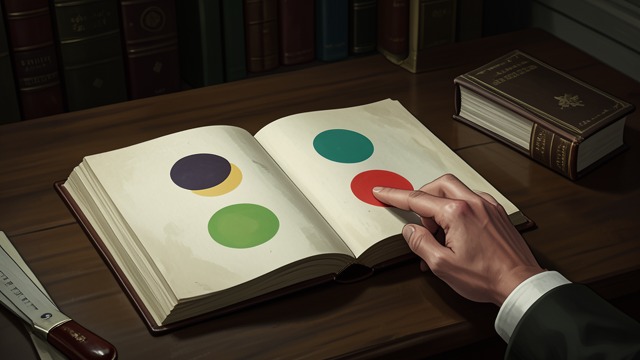
The Ministry of Magic classifies creatures from XXXXX, for known wizard killers or beings impossible to train, down to X for boring. Intermediate levels distinguish specialist hazards, manageable creatures, and harmless ones.
A practical purpose
The scale allows a reader to estimate danger quickly before consulting the full entry. It provides a shared vocabulary for discussing how a creature should be approached.
Its simplicity is useful but incomplete. A short rating can guide attention, yet it cannot replace the animal’s own habits and circumstances.
The XXXX Paradox
The XXXX Paradox
Respect without aggression
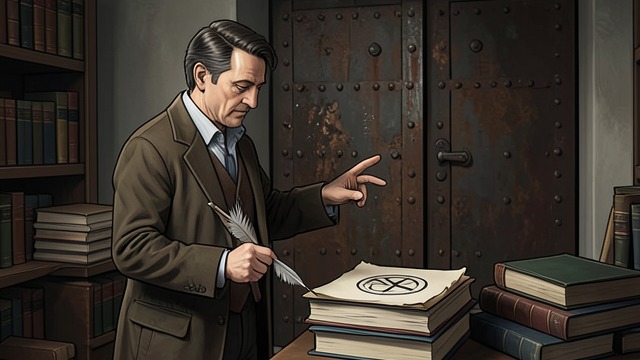
Centaurs, Merpeople, and Unicorns receive XXXX ratings not because they are unduly aggressive but because they should be treated with great respect. Danger is not the only reason for a high level.
Classification requires explanation
Newt supplies footnotes to distinguish these cases from creatures that are genuinely difficult or hazardous to handle. A reader who sees only the number could mistake respect for threat.
The paradox shows that one scale can carry different meanings. Explanations are essential if the rating is to guide conduct rather than encourage fear.
A Phoenix Rated for Elusiveness
A Phoenix Rated for Elusiveness
A surprising category
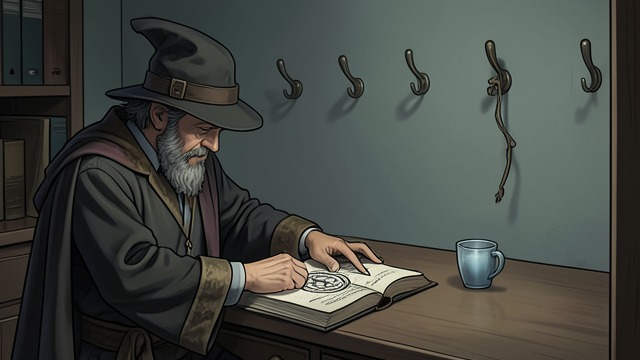
The Phoenix is assigned XXXX despite being gentle and never known to kill. Its rating reflects how few wizards have succeeded in domesticating it.
Human difficulty, not animal malice
The explanation separates the creature’s temperament from the challenge it presents to would-be keepers. An animal can be difficult to domesticate without being hostile.
The entry forces readers to ask what a danger rating measures. It often reflects the practical risks of contact from a human perspective, not a creature’s moral character.
A Snidget Protected by Law
A Snidget Protected by Law
A rating that signals legal risk
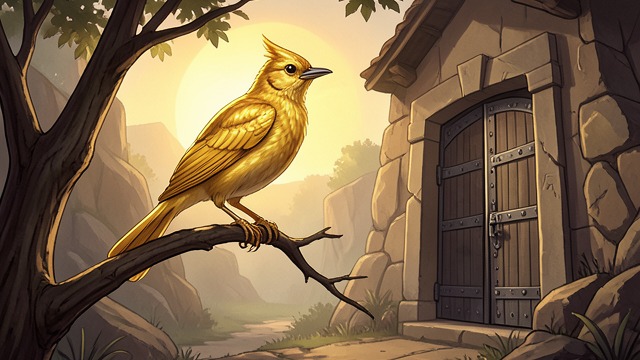
The Golden Snidget also gains XXXX, not because it is dangerous but because severe penalties apply to its capture or injury. Its protected status shapes how humans may approach it.
Conservation informs classification
The rating communicates legal consequences alongside physical danger. A reader must understand that the relevant risk may fall on the creature rather than on the wizard.
The case expands the scale beyond personal safety. Classification can guide behaviour in order to protect vulnerable animals from human action.
Ratings Meet Particular Lives
Ratings Meet Particular Lives
General guidance, varied detail
A rating introduces an entry, but specific accounts describe the creature’s habitat, diet, behaviour, and means of defence. A Kelpie, Hippogriff, and Flobberworm require very different responses.
The reader’s responsibility
The scale cannot decide whether a creature is acting defensively, whether it is protected, or what precaution will work. Readers must combine the rating with the entry’s details.
The system is strongest as a beginning rather than a verdict. Practical judgement depends on moving from a broad category to close attention to the individual species.
at the introduction to Ministry classifications
when exceptional ratings are explained
when the Phoenix classification is qualified
when the Golden Snidget rating is qualified
as readers move through the A–Z entries
